
project
sculpture
installation
mixedMedia
General Description
(im)possible antidote is a site-specific installation by artist Marisa Benjamim that responds to the layered ecological history of Ernst-Thälmann-Park in Berlin. Once the site of a large municipal gasworks (1873–1981), the soil beneath the park still bears the legacy of industrial activity—cyanides, phenols, and tar remain in the ground despite decades of remediation efforts since the gasworks’ closure. This invisible contamination becomes the starting point for Benjamim’s inquiry.
The artist turns to phytoremediation: the capacity of certain plants to absorb, filter, and transform harmful substances in the soil. Through botanical research, field observation, and material experimentation, Benjamim traces how spontaneous and often overlooked plants naturally emerge in the contaminated soil—resilient organisms with the potential to slowly heal damaged land.
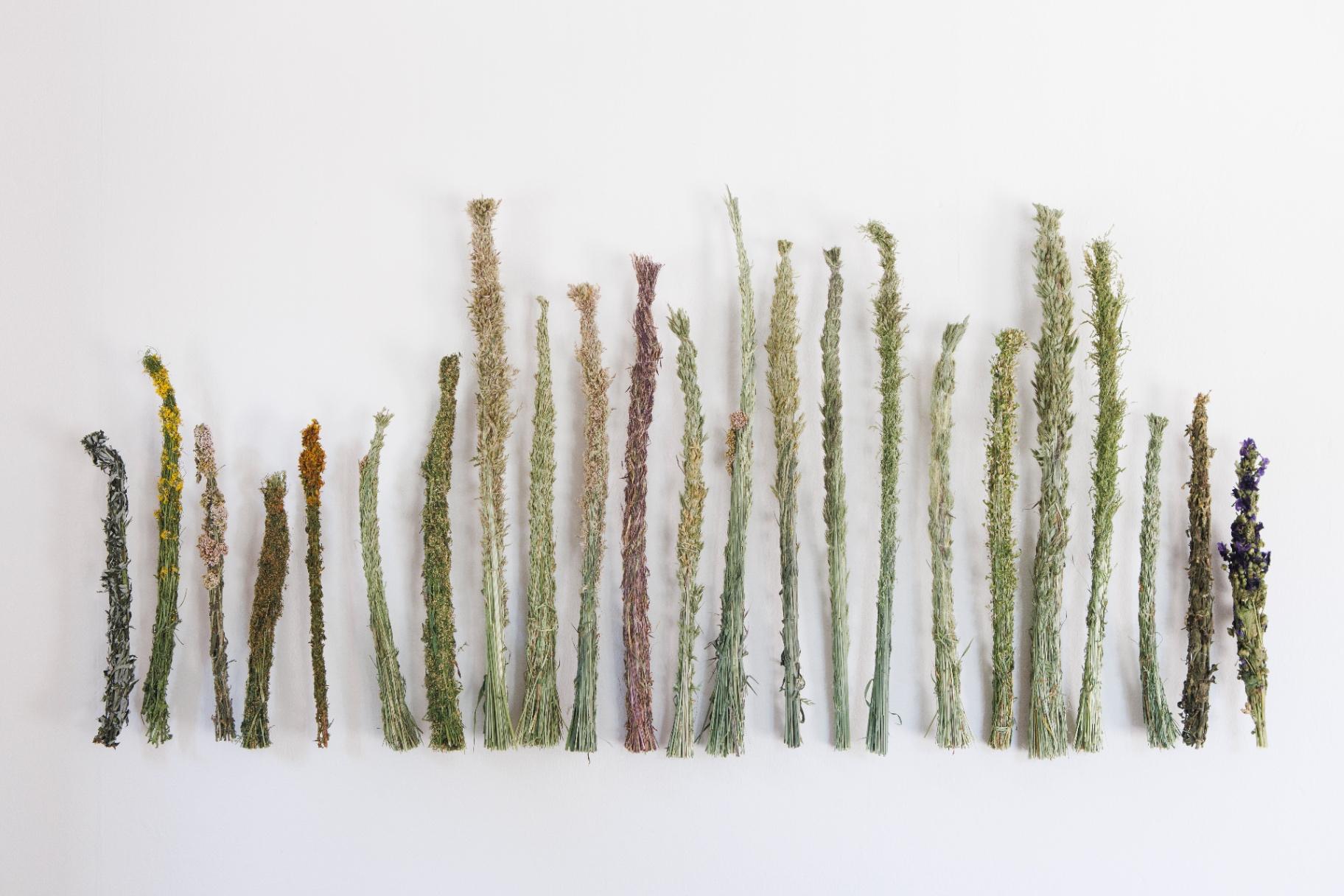
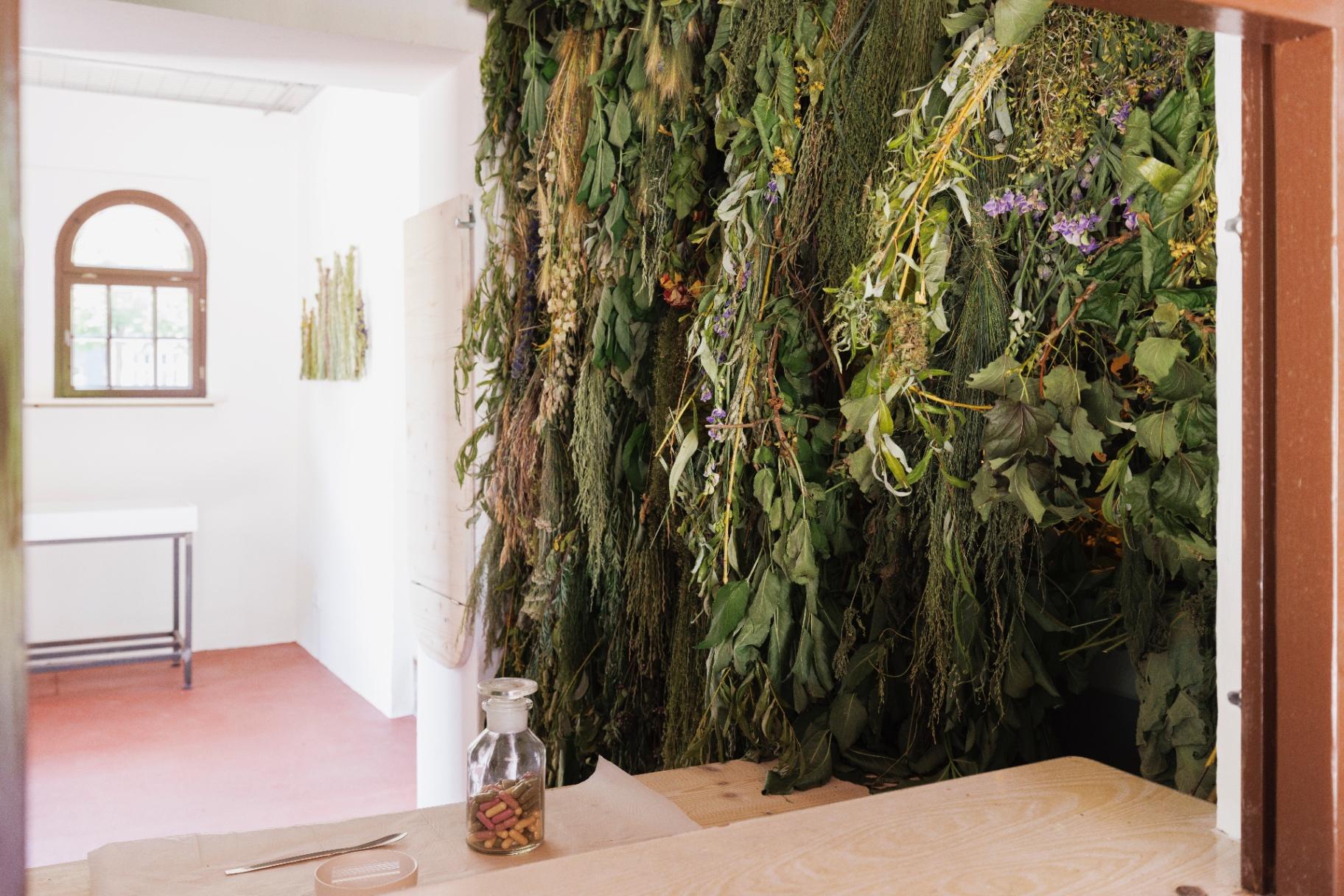
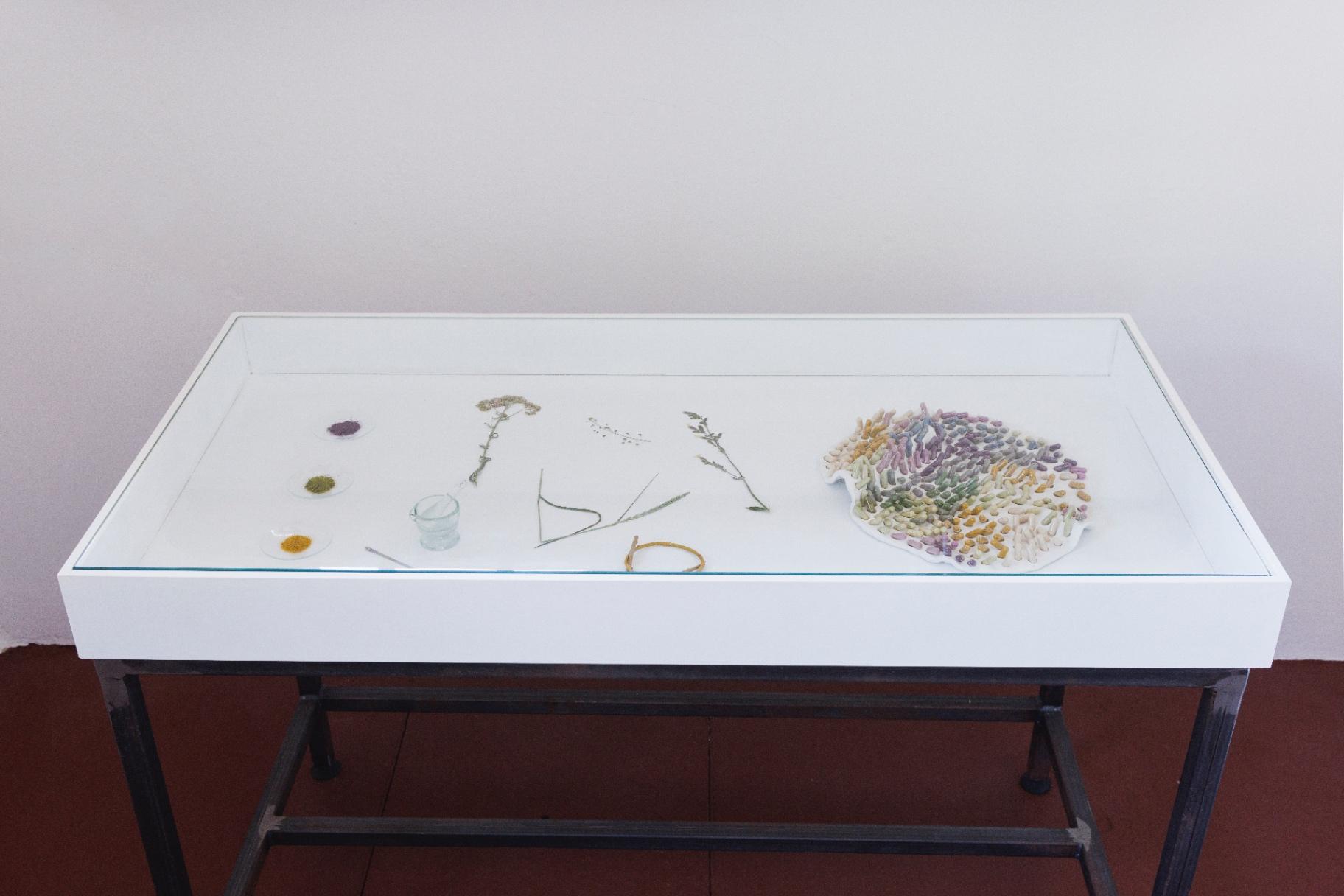
In the exhibition, these plants are collected, pressed, and presented in an installation that blurs the line between scientific archive, ritual gesture, and poetic proposition, reflecting the artist’s interest in empirical knowledge, healing, and care. The work invites viewers to consider what it means to care for polluted ground—not through immediate repair, but through attention, time, and the humble agency of plants.
(im)possible antidote is questioning: how can we create an antidote in impossible times? Perhaps by listening to what still grows. The project reframes these plants as silent activists, proposing a regenerative dialogue between ecological memory and embodied hope.
Caption
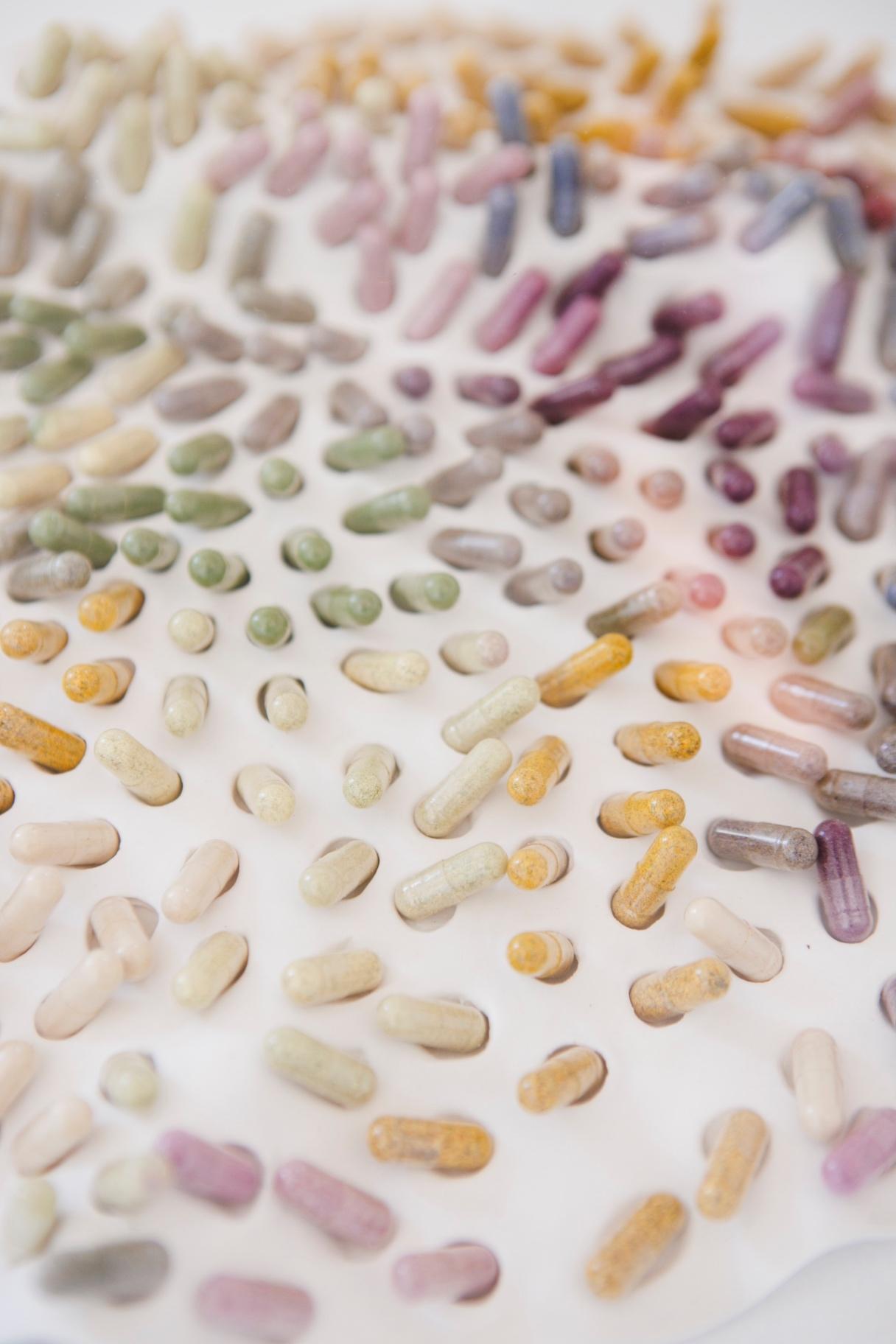
(im)possible antidote - Site-specific installation at Pförtnerhäuschen, Prater Galerie Berlin | Porcelain, edible plants powder, capsules
Mentions
No mentions
Location
Berlin